
Contributing toSDG 6 – Clean Water & SanitationSDG 3 – Good Health & Well-BeingSDG 13 – Climate Action
Overview
About the WASH Programme
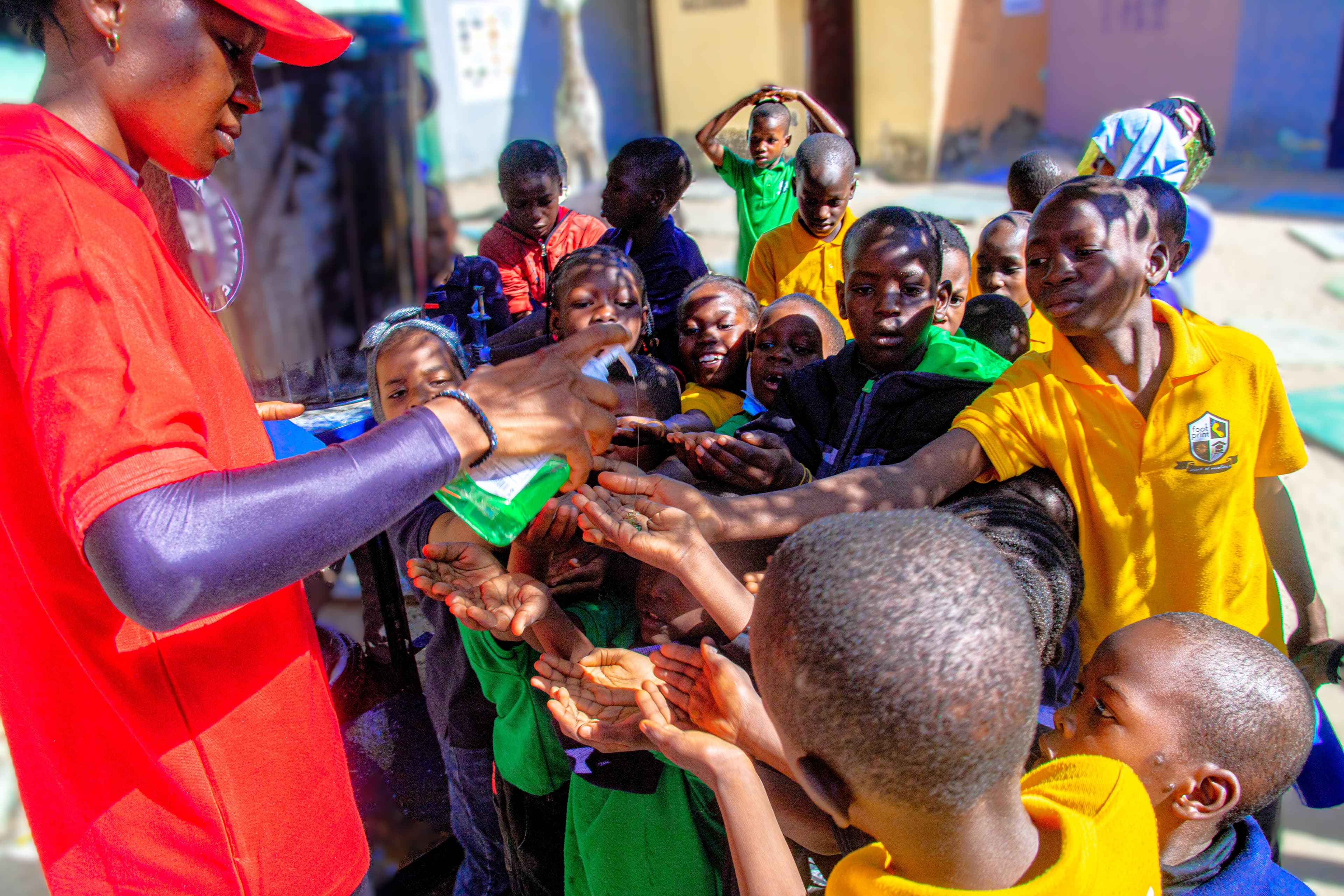
Care Best Initiative implements integrated and resilience-focused WASH interventions that improve access to safe water, sanitation, and hygiene services in underserved, crisis-affected, and development settings. The organisation delivers both humanitarian and development-oriented programming aimed at improving public health, promoting hygiene behaviour change, strengthening community resilience, and ensuring sustainable WASH service delivery.
Using a nexus-based approach, CBI combines emergency response, early recovery, and long-term development strategies in line with national and international humanitarian standards — from borehole drilling and sanitation construction to cholera response and community-led hygiene promotion.
Who We Serve
Vulnerable rural and urban communitiesInternally displaced persons (IDPs) and returneesWomen, children, and persons with specific needsSchools and learning institutionsPrimary healthcare centres and health facilitiesConflict-affected and climate-vulnerable populations
Key Activities
Emergency WASH response and rapid needs assessment
Borehole drilling, rehabilitation, and solar-powered water supply systems
Construction and rehabilitation of sanitation facilities
Hygiene promotion and Social and Behaviour Change (SBC) programming
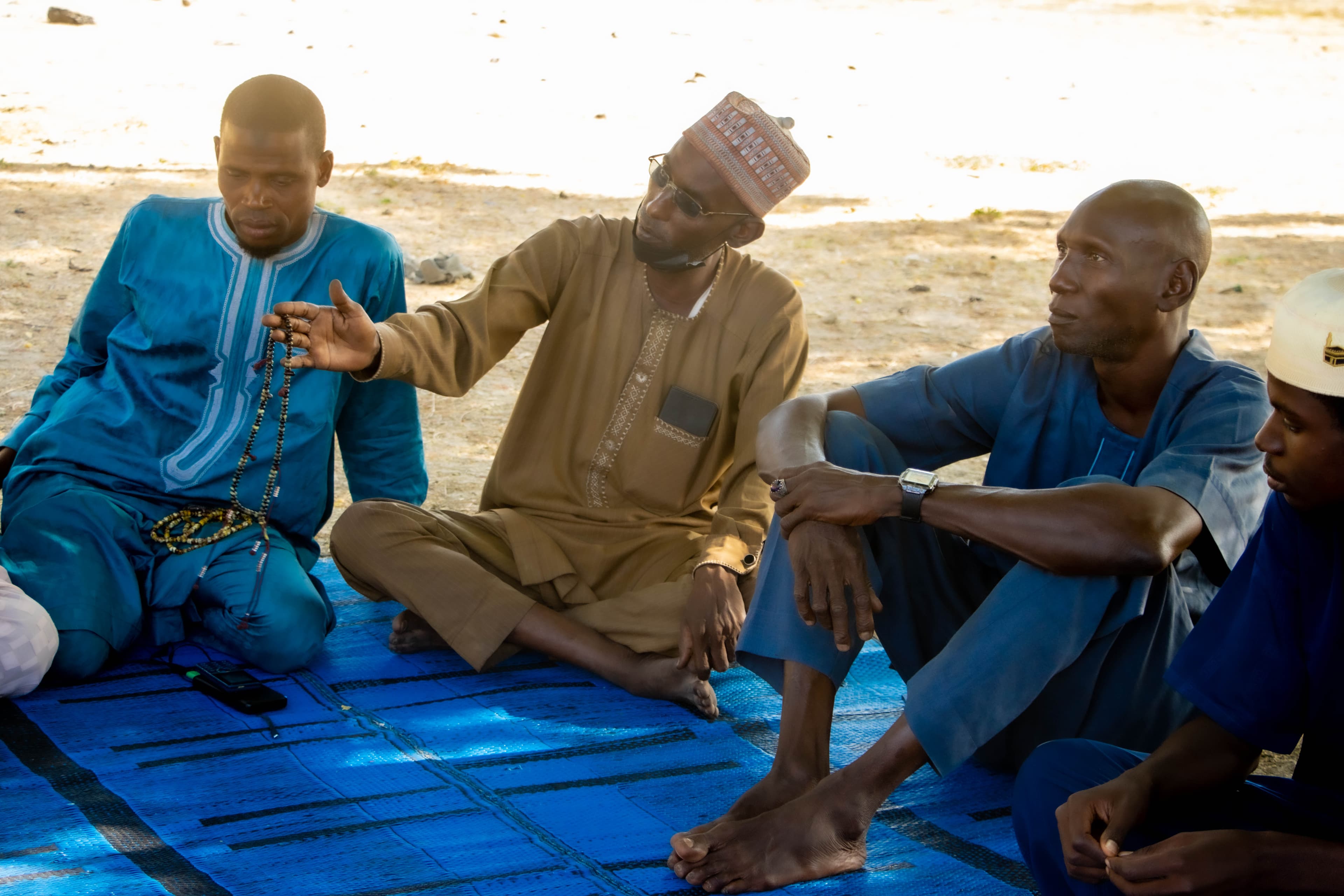
Community-Led Total Sanitation (CLTS) implementation
Water quality surveillance, testing, and treatment
Infection Prevention and Control (IPC) support in healthcare facilities
Cholera/AWD preparedness and response interventions
Environmental sanitation and solid waste management
Operation and maintenance systems strengthening
Capacity development of WASH committees and local governance structures
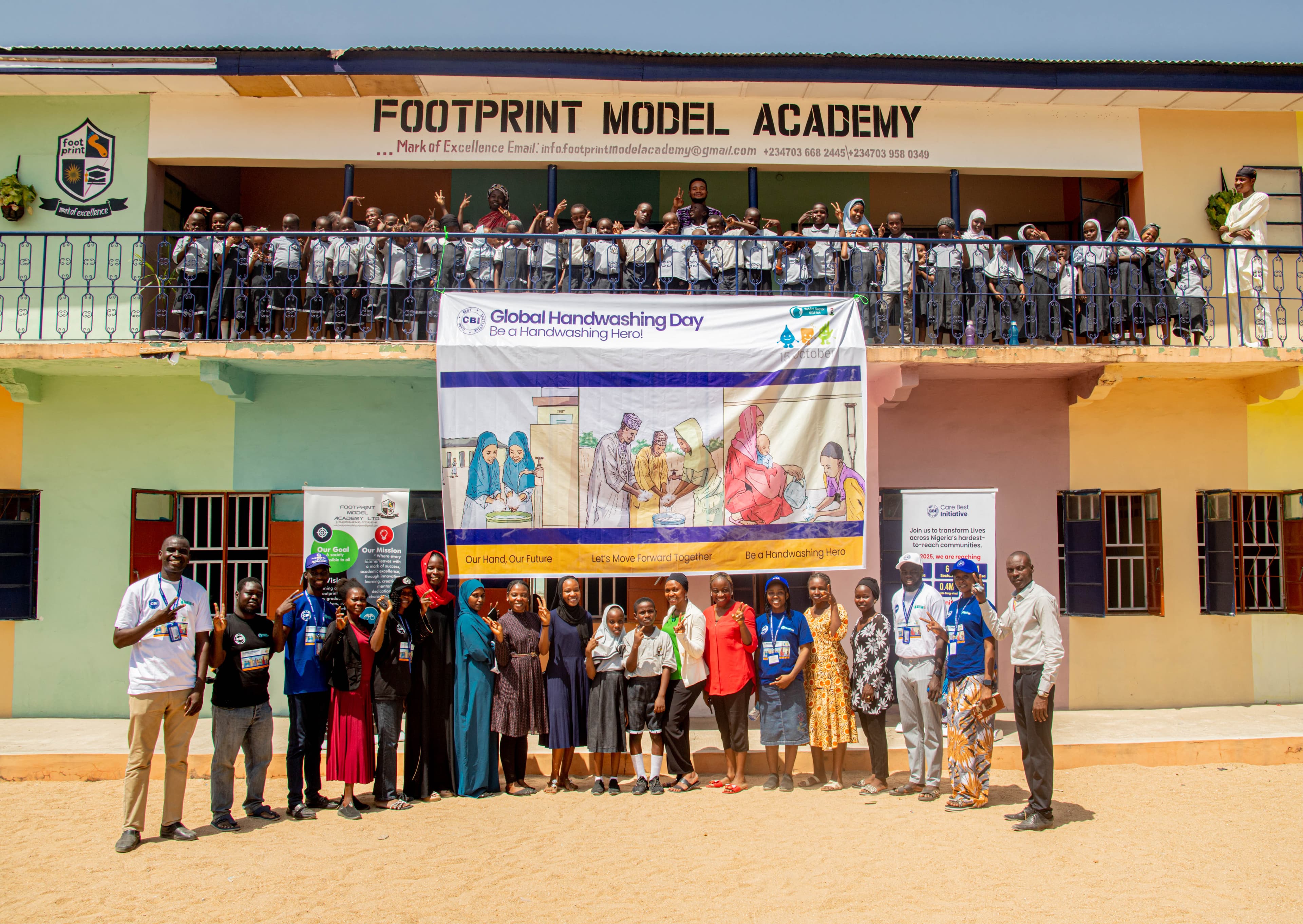
Institutional WASH support in schools and healthcare facilities
Cross-Cutting Approaches
Protection, Gender, and Inclusion (PGI)Accountability to Affected Populations (AAP)Conflict sensitivity and Do-No-Harm principlesClimate resilience and environmental sustainabilityLocalization and community participationSafeguarding and risk mitigationEvidence-based programming (MEAL)
Our Work in Action